The 26/27 season is on its way, lock in your winter before prices go up 11/1
Allowed Devices
Special programs and Snow Devices
Here at Dodge Ridge Mountain Resort, we embrace a wide range of snow devices, from sit-skis, mono-skis, and snow-scooters to cross-country skis and snowshoes. To assist every rider and skier in enjoying a safe day on the mountain, we’ve defined clear guidelines for device use. Please read these rules carefully.
Allowed Devices
The following snow-riding devices are permitted on designated lifts and terrain when used properly:
Alpine Skis & Snowboards: With functioning bindings and proper retention devices (brakes or straps).
Sit-Skis, Mono-Skis, Bi-Skis, and Adaptive Equipment: Are permitted when the user is trained or escorted by a qualified companion. A leash must be attached and functional. This includes outriggers, tethers, and similar gear approved by PSIA/AASI standards.
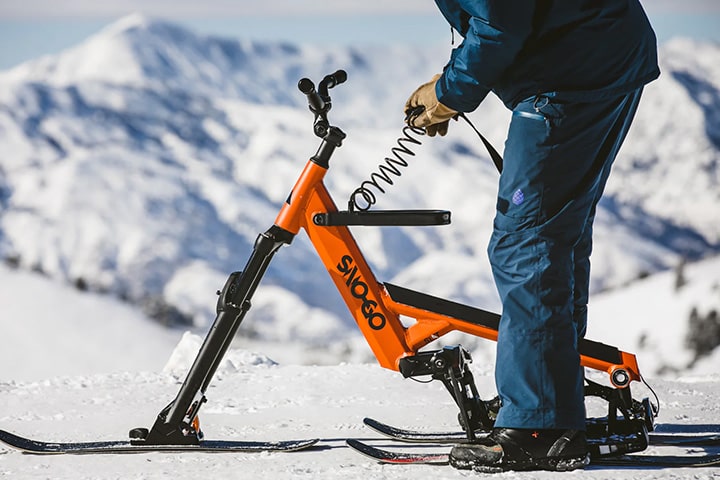
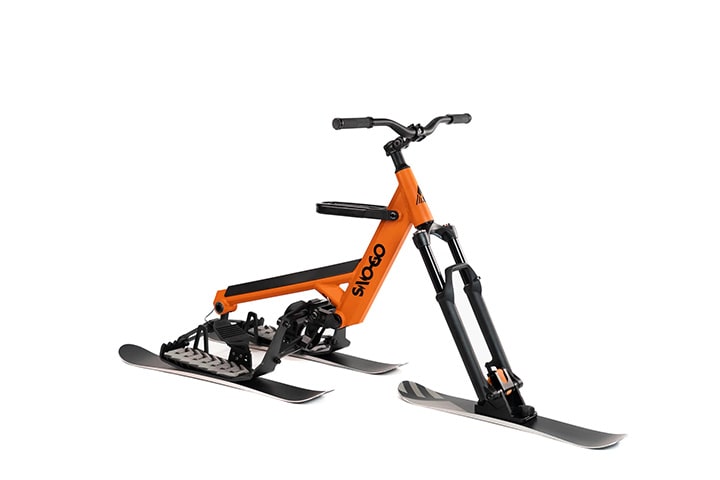
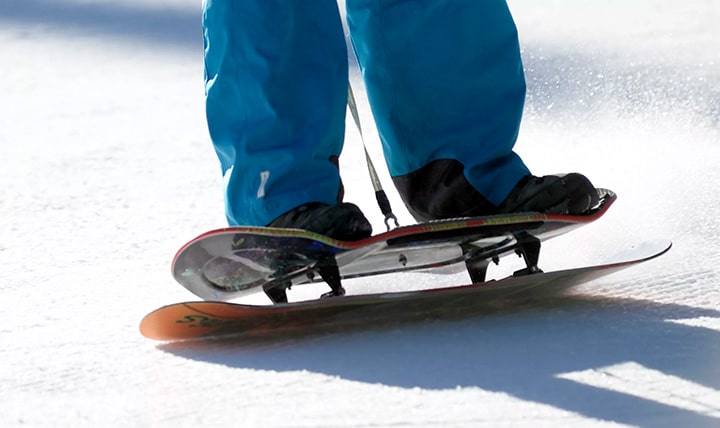
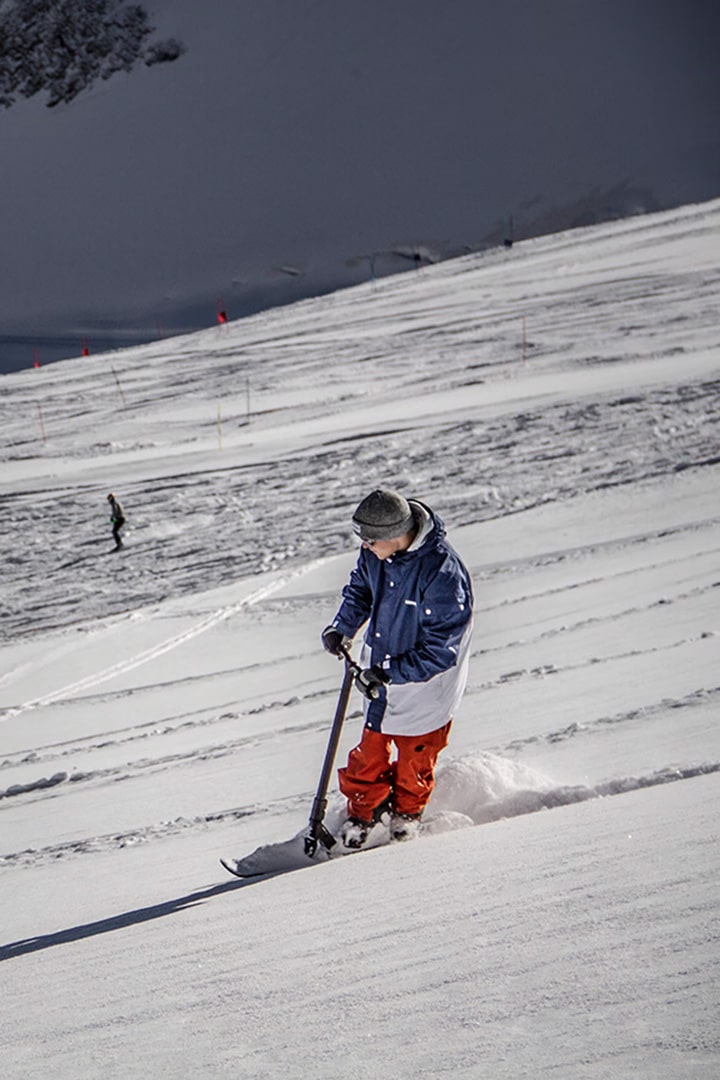
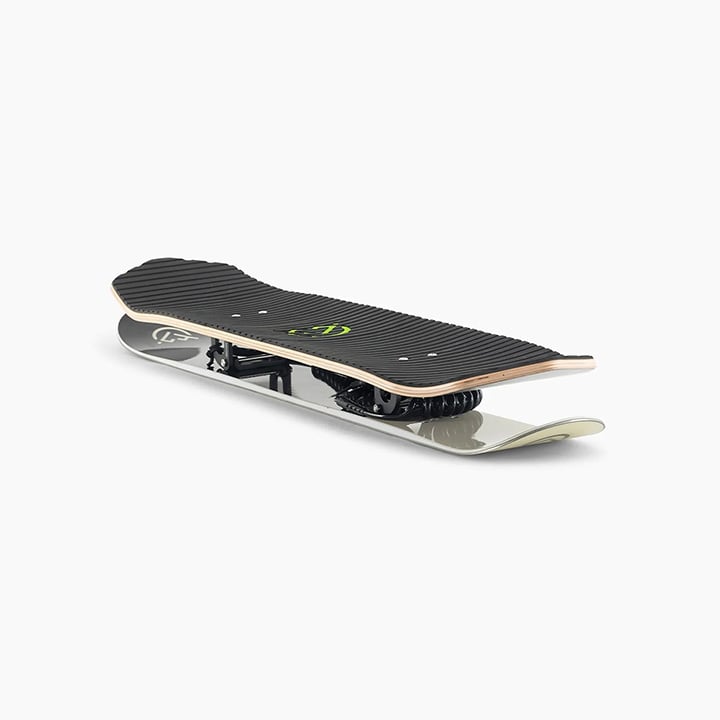
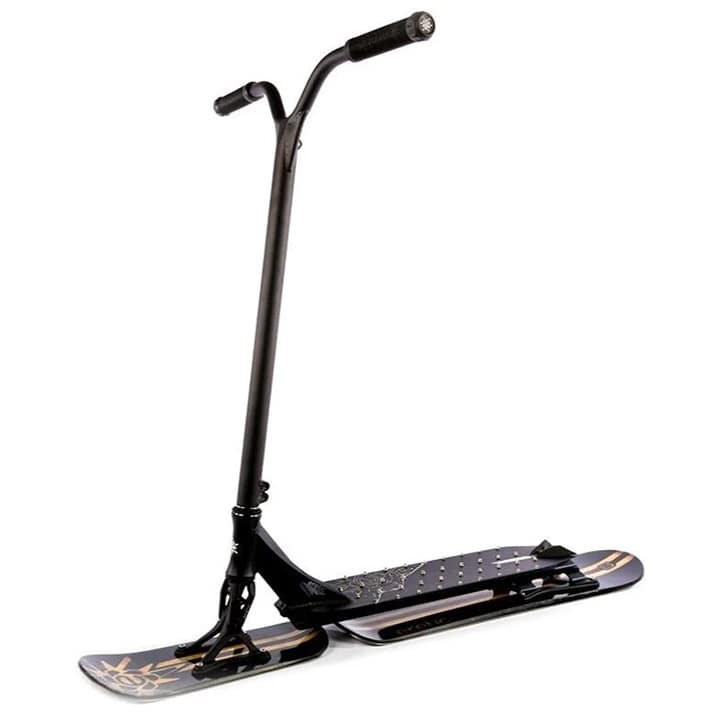
Sno-Go bikes, Snow Trikes, Snow Skates (also called Snow Decks), and Sno-Scooters: These devices fall under the ANSI B77.1-2022 category of foot-passenger devices. These are allowed only on Tipple Nugget (Lift 1) and Motherlode (Lift 3), which are equipped with restraint bars. For everyone’s safety, a leash must remain securely attached whenever the device is in use.
Snowshoes & Cross-Country Skis: Are permitted in designated uphill or Nordic areas only; they are not permitted on lifts unless otherwise posted.
All allowed devices must have:
- A metal edge for turning and control on snow.
- Binding or retention systems to prevent runaway equipment.
- Leashes or brakes that function properly and remain attached at all times.
Restricted Devices
For safety reasons, the following devices are not permitted on lifts or designated ski terrain:
- Ski bikes, snow bikes, or devices with more than one ski and no braking mechanism.
- Sleds, toboggans, snow saucers, tubes, or homemade devices.
- Plastic or metal sliding toys, bodyboards, or items without bindings.
- Any device lacking proper edges, retention straps, or bindings designed for alpine terrain.
These devices pose a higher risk of injury to users and others and can interfere with lift operations.
Lift Access & Device Use Guidelines
Lift Access: Only devices that can be safely loaded, ridden, and unloaded under lift-operator supervision are permitted. Some lifts have specific restrictions based on design.
Leashes: Every snowboard, sit-ski, or similar device must have a leash properly attached before loading any chairlift.
Communication: If you’re using adaptive or non-standard equipment, let the lift operator know before loading. Our team is happy to assist.
Terrain Restrictions: Certain lifts or trails may be closed to device users due to conditions, grooming, or visibility. Please respect posted signage.
Escorts & Training: Riders using adaptive or specialty equipment should ride with a trained escort or instructor when possible.
Why These Rules Exist
Safety on the mountain depends on predictability and control.
Devices with proper bindings, edges, and braking systems can stop, steer, and unload safely.
Those without them may slide uncontrollably or interfere with others, especially in lift zones and high-traffic areas.
These rules are based on ANSI B77.1, the national standard for aerial lift operations, and align with guidance from Ski California and the NSAA.